
Date: March 13, 2026
Introduction
Conference and meeting spaces play an important role in the modern hospitality industry. While hotel revenue is often associated with guest room bookings, meetings and corporate events represent a significant secondary source of income for many properties. Hotels that offer well designed conference facilities are able to attract corporate meetings, training sessions, industry events, and private gatherings. These events generate revenue through room rentals, catering services, and guest accommodations while also helping hotels maintain consistent bookings throughout the week.
The Importance of Hotel Conference Spaces
Conference and meeting spaces are one of the major drivers of revenue for many hotels. According to a hospitality industry analysis by GuestReady, hotels with meeting facilities often generate 15 to 25 percent of their revenue from conferences, meetings, and events, while approximately 60 percent of hotel revenue typically comes from guest room occupancy.
Conference spaces allow hotels to host corporate gatherings, training sessions, business meetings, and private events. These events generate revenue not only from meeting room rentals but also from catering services, audiovisual equipment, and guest room bookings tied to the event itself. Because of this, conference and meeting facilities have become a core part of how many hotels operate and compete within the hospitality market.
The importance of these spaces continues to grow. According to 360 Research Reports, more than 38,000 hotels offer dedicated meeting rooms, and approximately 41 percent of corporate conferences take place in conference focused hotels. This highlights the central role hotels play within the meetings and events industry.
Why Hotels Rely on Conference Spaces for Consistent Bookings
Conference and meeting spaces also help hotels maintain consistent bookings throughout the week. Leisure travel often peaks on weekends, while weekdays can be slower depending on the market. Corporate meetings, training sessions, and conferences typically occur during weekdays, bringing groups of attendees who book guest rooms while also using meeting facilities.
These events allow hotels to stabilize occupancy during slower travel periods. In addition to room bookings, conferences generate additional revenue through meeting room rentals, catering services, and audiovisual equipment. Because these events combine multiple services into a single booking, group business has become one of the most valuable segments of the hospitality industry.
How Professional Photography Helps Hotels Market Meeting Spaces
Professional photography plays an important role in how hotels present and market their conference and meeting spaces. Event planners often begin their search online, reviewing venue websites and marketing materials before contacting a property for more information.
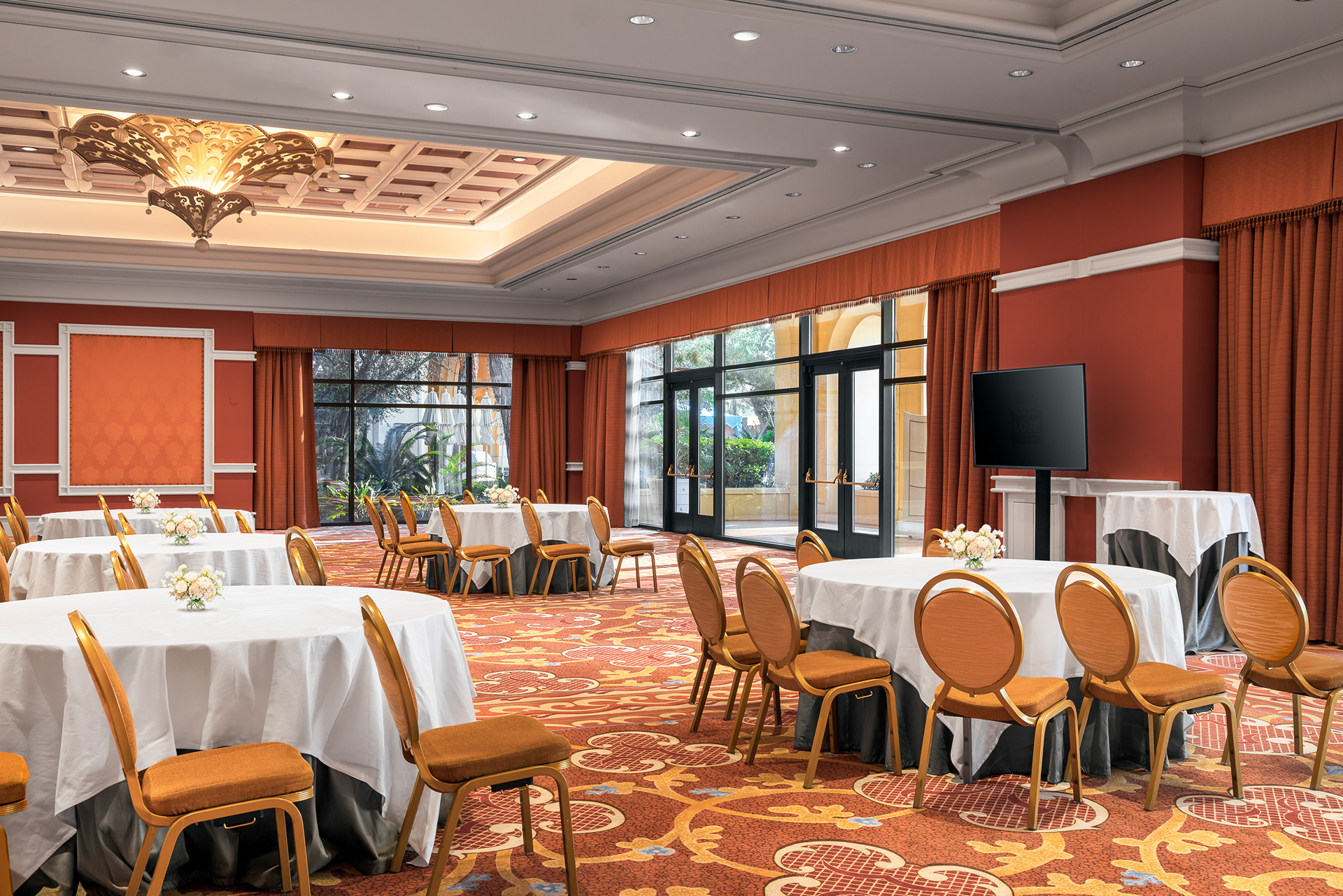
High quality photographs help communicate important details about a meeting space, including room size, layout, lighting conditions, and seating arrangements. Images that show different configurations, such as presentation setups, conference layouts, or banquet arrangements, allow planners to better understand how the space could be used for their own event.
Professional imagery also supports the marketing efforts of hotel sales teams. These photographs are commonly used across hotel websites, event booking platforms, digital brochures, and promotional materials. By presenting conference facilities clearly and professionally, hotels make it easier for planners to evaluate whether a venue fits their needs, which can influence whether a planner decides to inquire about availability or continue searching for other venues.
Conclusion
Conference and meeting spaces have become an essential part of the hospitality industry. These venues allow hotels to host corporate events, attract group bookings, and generate additional revenue through catering and event services. As hotels compete for conferences and corporate meetings, clear and professional photography helps present these spaces effectively, allowing event planners to visualize their events and evaluate whether a venue fits their needs.